



Many athletes use a log or journal to keep track of their training. Before modern digital options existed, a training log was often a calendar or notebook where an athlete could record the basic details of each workout.
Today, digital training logs like TrainingPeaks do the same job, but take it up a notch by analyzing all of your workout data in one place. Instead of relying on memory or gut feeling, a digital training log turns your training into visible proof. It helps you understand trends, trust your process, and make better decisions throughout the season.
Digital Training Log vs. Paper Workout Log
Paper workout logs can capture notes and reflections, but they fall short when it comes to long-term visibility. A digital training log automatically collects and organizes your training data, making it easier to understand patterns and progress over time.
Using a digital training log, like TrainingPeaks, allows you to easily:
- Automatically record distance, duration, and intensity from GPS, heart rate, and power devices
- Track pace, power, or heart rate alongside subjective notes like RPE and how the workout felt
- Monitor weekly and long-term training volume and training load
- Visualize consistency, compliance, and recovery trends
- Compare weeks and training blocks at a glance
- Identify patterns that directly impact performance
By turning raw data into clear visuals and trends, a digital training log makes it easy to see whether your training is working and to adjust.
What You Should Track in Your Training Log
To make the most of your training log, you need to record more than just workouts and numbers. For example, subjective context helps to show the full story of your training so you can spot patterns and adjust sooner. It’s also insightful to go back and look at your thoughts and headspace around your best performances versus your worst.
1. Data Analysis That Turns Numbers Into Action
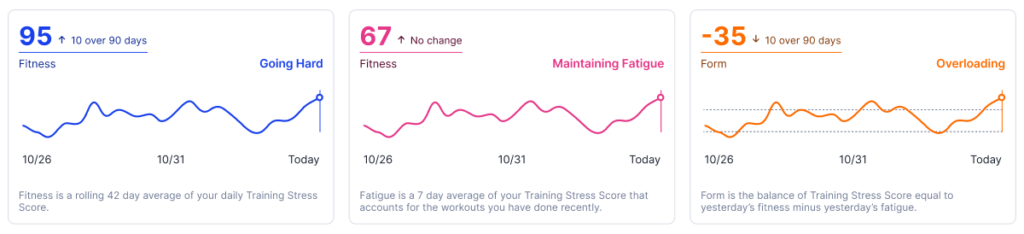
A training log is a place to collect data. With the wide availability of activity trackers, most of the work is done without you having to do anything. But your training log should act as more than just a bunch of numbers. That’s where analytic tools come into play.
TrainingPeaks syncs with thousands of different apps and devices and brings all of your workout data (including, distance, duration, and heart rate) under one roof. It then uses this data to give you a score on Fitness, Form and Fatigue, allowing you and your coach to see progress and potential overtraining.
2. Subjective Feedback That Adds Context
In an ideal world, you’d be able to train day in and day out with no other stresses. But you’re not a robot, and you shouldn’t expect yourself to perform like one.
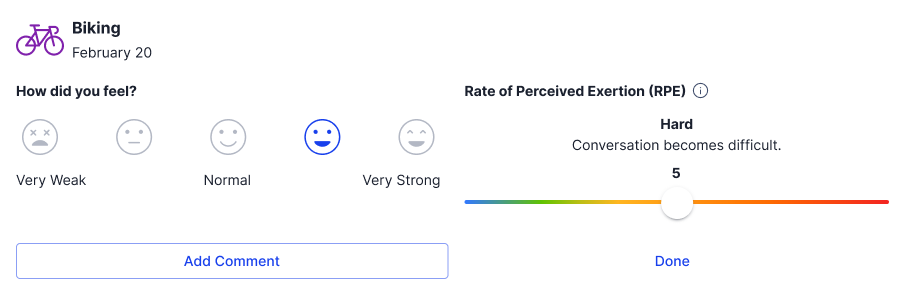
This is why subjective feedback is incredibly important. Your training log should include your thoughts and feelings toward your workout as well as hard data. Subjective personal comments or Rate of Perceived Exertion are an essential to fully understanding your training.
3. Health and Recovery Metrics
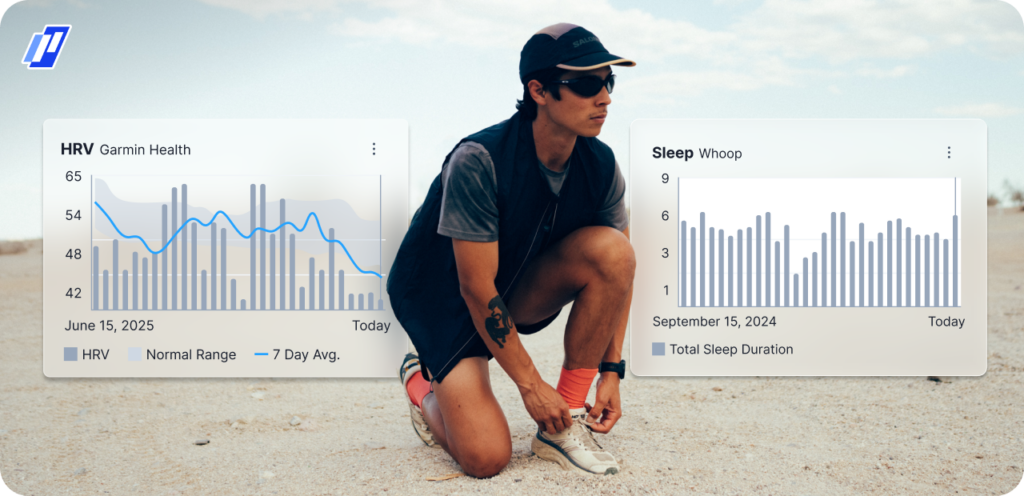
Other beneficial data collection options include sleep, heart rate variability, nutritional intake, and hydration. These metrics can give deeper insight into your recovery, as well as help you recognize patterns that might have an effect on your training (like alcohol consumption and HRV).
Again, many fitness trackers will collect this data and send it directly to TrainingPeaks. You can learn more about how to upload metrics here.
4. Goal Tracking
Anyone can make a goal. It’s easy to “some day, I’m going to do this.” But when you put it in writing, look at it every day, make a plan, and work toward it every day? That’s the difference between someone who achieves their goal and someone who doesn’t.
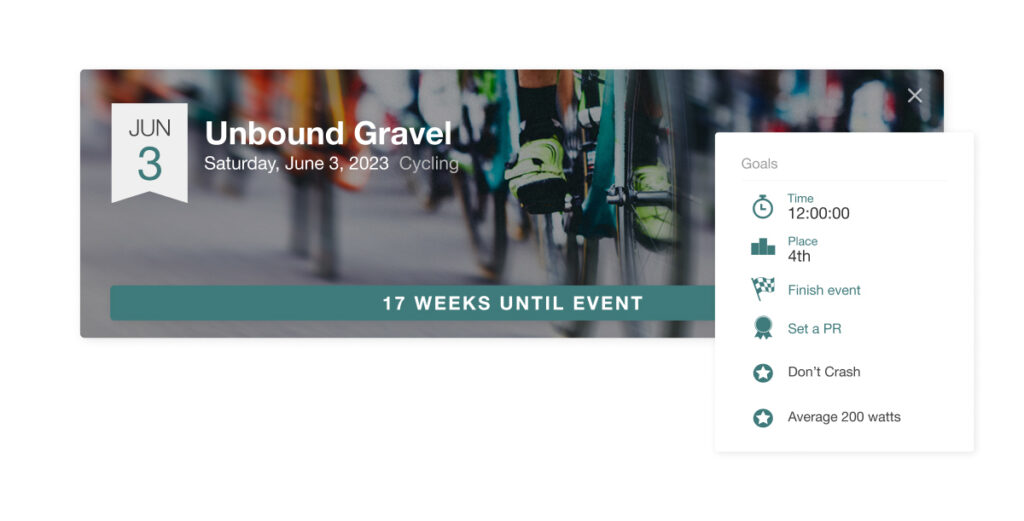
Your goal should be front and center of your training log. You can add a goal or event to your TrainingPeaks calendar to remind you why you’re training.
5. Workout Consistency
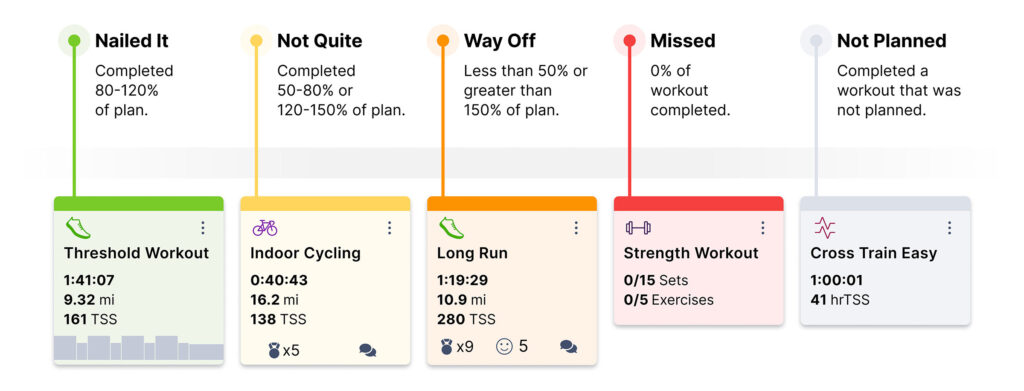
Training logs can spur motivation. Athletes set goals and can see both the process and the product within the data. TrainingPeaks color codes workouts in red, yellow, and green to indicate compliance with set workouts, urging you to attain green weeks. Tapping the energy of objective data (look at how many miles I ran last month) and subjective data (those workouts made me feel great even though they were hard) is enhanced with a good workout log.
How to Use Your Digital Training Log Effectively
To get the most from a digital training log, it’s important to be consistent and to review the trends. Consistency and review are what turn a training log into a true performance tool.
- Log every workout, even easy or short sessions
- Combine objective data with subjective notes
- Review weekly and monthly trends, not just single workouts
- Look for consistency before chasing intensity
- Use past data to guide future training decisions
Boost Your Confidence With a Consistent Workout Log
There is an enormous boost from looking back at the months of training leading into a race. While some race day anxiety is normal, reviewing the many hours of training and effort that led to that day can override negative emotions.
A training log can also give confidence after injury or time away from training. Sometimes human brains like to focus on the negative, but a workout log can highlight the positive. You’ve done this before; you trained and succeeded and can surmount new challenges. After years of keeping a training log, there are mountains of data proving your durability and potential — just begin the process again and keep going.
Maintaining a workout log is an indispensable tool for every level of athlete. It allows for the collection and analysis of data that can provide motivation, learning, and confidence. In addition, it can help prevent injury and provide better, more individualized training.
Athletes are built over years, not weeks, and a well-kept training log is one secret to their success.


