



When the race calendar winds down and temperatures drop in the Northern Hemisphere, most athletes default to the same plan: take a big break, “do whatever,” and worry about training again in January.
Matt Dixon thinks that’s a huge missed opportunity.
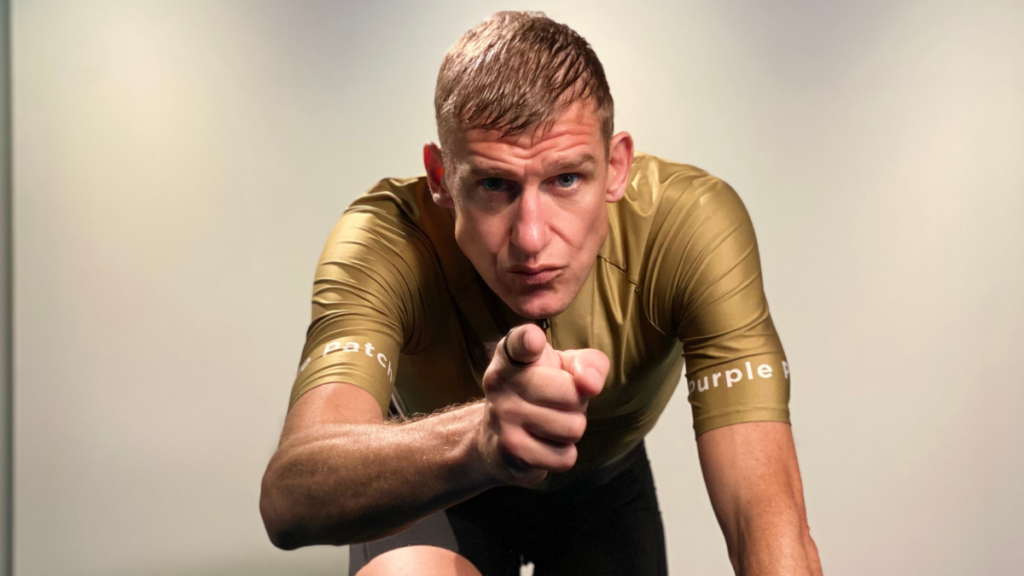
Dixon is an elite triathlon coach and co-founder of Purple Patch Fitness, author of The Well-Built Triathlete and Fast-Track Triathlete, a former pro triathlete, and a coach to multiple world champions. When he talks about the off-season, he doesn’t see it as a throwaway period. He calls it “the single biggest predictor of an athlete making breakthroughs in the coming year.”
Here’s how he reframes the off-season for his athletes, and how you can use it to build your best season yet.
It’s a Phase, Not a Void
Most athletes treat the off-season as a binary: “on” all year, then “off” once the final race is done.
Dixon still believes in a true break, especially right after your last event. For one to two weeks, he encourages athletes to “turn your back on the sport” completely: sleep in, be social, enjoy a bit of excess, and let the mental and physical fatigue fade.
After that, though, the off-season becomes something very different: a phase of training with a clear purpose.
If he had to sum that phase up in one word, it would be preparation.
You’re not chasing peak numbers, improving your FTP, or hunting down PRs. Instead, you’re laying down the “platform of performance” that will let you absorb harder training later without getting injured, overwhelmed, or burned out. That means:
- Allowing mental and physical rejuvenation
- Reducing overall training hours (often by about a third)
- Maintaining some structure so life doesn’t become chaotic
- Focusing on foundational habits and skills you can’t fully address in race season
The athletes who get this right don’t arrive in January panicked and out of shape. They feel organized, refreshed, and like they already have a “head start” on the year.
Don’t Go Rogue: Why Structure Still Matters
One of the biggest mistakes Dixon sees? Athletes who “go rogue.”
They wrap up their last race, abandon all structure, and tell themselves they’re “giving back” to family, work, and life. But without any framework at all, training disappears, habits fray, and even the rest of life can start to feel more chaotic.
“The framework of training helps organize your day,” Dixon explains. Remove it completely, and productivity (both in sport and life) often drops.
Instead, he encourages a flexible but intentional off-season:
- Lower total volume, usually ~30% less training than your in-season norm
- Fun, low-pressure sessions that are more “soul-filling” than fatiguing
- Clear, simple anchors in your week so you don’t drift into randomness
At Purple Patch, one of those anchors is a weekly planning ritual they call the “Sunday Special.”
The Sunday Special: Planning Your Week Like a Pro
Every Sunday, athletes spend about 30 minutes mapping out the week ahead in three layers:
- Life non-negotiables: Kids’ schedules, family time, appointments, major work commitments.
- Work and professional demands: Key meetings, deadlines, travel, big projects.
- Training and key habits: Strength sessions, key workouts, recovery practices, and other priorities.
By layering training into life (instead of the other way around), athletes gain clarity and reduce the constant “training vs. everything else” conflict. That sense of control and intentionality is a huge part of what Dixon calls unlocking consistency—the magic word behind nearly every long-term breakthrough.
Make Strength Training a Priority
If there’s one clear priority Dixon wants athletes to embrace in the off-season, it’s this:
Strength training is non-negotiable.
Years ago, when he was coaching professional triathletes, year-round strength work was one of his core “non-negotiables,” even when it was unpopular. Now, you’d be hard-pressed to find a world-class triathlete who isn’t lifting in some form.
Why? Because strength training:
- Makes you faster
- Helps you become more resilient and “bulletproof”
- Improves stress processing, body composition, and functional capacity
- Supports longevity in both sport and life
Despite all of that, most endurance athletes still treat strength as an afterthought. They’ll “get to it” when races are over… but then the habit never sticks.
The off-season is your window to change that.

Strength First, Endurance Around It
In race season, your bullseye is obvious: swim, bike, run (or your primary discipline). Everything else fits around those key sessions.
In the off-season, Dixon flips that target:
- Bullseye: At least two focused strength sessions per week
- Wrapped around it: Flexible, lower-volume endurance sessions, play, and cross-training
For some athletes, those strength sessions might start with bodyweight, bands, and basic movement patterns. For others, it means progressing toward heavier external load—real weights that challenge muscles, tendons, and ligaments.
What it doesn’t mean: relying solely on yoga, Pilates, or generic group fitness classes. Those can be valuable, Dixon says, but “they’re not enough” on their own for performance-driven strength.
A well-rounded strength program for endurance athletes should include:
- Overall athleticism: Multi-plane movement, coordination, core strength, leaping/bounding, and agility.
- Progressive loading: Moving from bodyweight and bands toward heavier resistance to build real strength.
- 360° stability: Addressing the hips, trunk, and shoulders in multiple planes (not just linear, forward motion).
- A path from strength to power: Eventually converting strength gains into better recruitment and power production on the bike, run, or swim.
Dixon’s short pitch for year-round strength is simple: “It’s good for your health, it keeps you more resilient, but most importantly, it makes you faster.”
Using TrainingPeaks to Deliver and Track Strength
Dixon’s team coaches athletes around the world, which means they need a way to deliver safe, clear, and progressive strength work from afar.
That’s where tools like TrainingPeaks Strength Builder come in.
At Purple Patch, they’ve:
- Filmed hundreds of their own exercise videos
- Built structured, progressive strength sessions inside TrainingPeaks
- Created longer follow-along sessions for athletes training at home
- Used TrainingPeaks dashboards to track adherence, not just performance
If an athlete’s strength sessions start disappearing from the calendar, that’s a signal for a check-in. Even for more autonomous athletes, that layer of accountability makes a big difference, especially in the off-season when it’s tempting to coast.
Whether you follow a coach-built program in TrainingPeaks, design your own, or follow a plan, the key is the same: schedule your strength like a key workout, not a “nice-to-have.”
Pick a Goal That Scares You (Just a Little)
The off-season isn’t only about habits and strength. Dixon also encourages athletes to adopt what he calls a challenge mindset.
This is where you look ahead and ask:
“When I’m at this point next year, who do I want to be? What do I want to have accomplished?”
He likes athletes to put a stake in the ground with a physical challenge that’s just outside their comfort zone:
- A first 5K or triathlon
- Qualifying for Boston or stepping up in distance
- Tackling a first Ironman or a big gravel event
- Hiking a local peak you’ve always wondered about
The right challenge is:
- Personal (not your neighbor’s goal)
- A little scary, but achievable with commitment
- Realistic in the context of your life (if you’ve got newborn twins, maybe skip the full Ironman this year)
The point isn’t just the finish line. It’s the journey: the way a meaningful challenge forces you to organize your time, strengthen your habits, face setbacks, and expand what you believe you’re capable of.
Dixon calls this embodied learning. You don’t just think differently; you feel the change. That confidence and resilience tends to spill into the rest of your life: work, relationships, and how you show up day to day.
And the best time to define that challenge?
Now.
If you wait until January, you end up behind the eight ball, scrambling to “go from zero to hero” in a few weeks. That’s when overuse injuries, rushed training, and burnout creep in. Using the off-season to choose your challenge and lay the groundwork (strength, habits, basic conditioning) makes the full build-up smoother, safer, and far more enjoyable.
You Can Have It All… If You Stay Consistent
When athletes worry about staying “too engaged” in the off-season, Dixon hears a familiar fear: if they stay focused now, they’ll burn out before next year.
His answer:
You can have it all.
You can:
- Take a real mental and physical break
- Spend more time on family, friends, and work
- Hike, ski, gravel ride, and play
- Build rock-solid habits and strength
- Set a bold challenge and prepare for it
The common thread isn’t intensity or volume. It’s consistency.
A flexible, well-structured off-season:
- Keeps you grounded instead of chaotic
- Builds the habits you’ll rely on when training ramps up
- Makes your life easier when the big race blocks arrive
- Sets you up for “breakthroughs” that actually last
So as race season winds down, don’t just ask, “What am I taking a break from?”
Ask, “What foundation do I want to build?”
Dial in your habits, make strength a priority, choose a challenge that excites (and slightly scares) you, and use tools like TrainingPeaks to plan, track, and stay accountable.
When you hit the start of your next build, you won’t be scrambling to catch up. You’ll already be moving with a stronger body, clearer habits, and a much greater sense of what’s possible.


