



Sleep is one of the most powerful performance tools endurance athletes have. It supports recovery, training adaptation, decision-making, mood, motivation, and race-day execution. Yet compared to fueling, gear, training metrics, and supplements, it is often treated as an afterthought.
That’s a mistake, according to Charlotte Edelsten, a sleep expert, researcher, and sleep coach with more than 20 years of experience in sleep science. Edelsten has spent the past eight years working on research at UTMB Mont-Blanc, studying how sleep deprivation affects the physical and cognitive performance of ultra-endurance athletes.
Her message is clear: better sleep does not just help you feel better. It helps you perform better.
The recommendations below are pulled from Edelsten’s conversation on the Endurance Unlimited podcast. You can watch the full podcast here.
Sleep Supports the Training You’re Already Doing
Sleep is not separate from training (or at least it shouldn’t be). It’s where the adaptation from training takes place.
When you consistently sleep well, your body is better able to absorb workouts, recover from hard sessions, regulate mood, and make better choices. When sleep suffers, so does the foundation that supports your training.
Edelsten explains that sleep is fundamental to nearly everything athletes do. If you are not sleeping well, you are less likely to train well, recover well, or fully benefit from the work you are putting in.
That matters because endurance performance is built on consistency. You don’t get fit from a single workout. You get fit by stacking weeks and months of training that your body can actually absorb. And none of that is possible without sleep.
Athletes Are Not Always Good Sleepers
It is easy to assume that athletes sleep well because they train hard. In reality, sleep disturbances are common in athletic populations.
According to Edelsten, athletes deal with the same sleep disruptors as everyone else: work, family, stress, social commitments, travel, and individual sleep tendencies. But they also face sport-specific challenges, including high training loads, intense workouts, early-morning sessions, late-night races, competition nerves, long-haul travel, and unfamiliar sleep environments.
Ultra-endurance athletes face an additional challenge: many events require athletes to intentionally stay awake for long periods of time.
That makes sleep even more important. So if you’re preparing for a race that will keep you out of bed, you need to treat sleep and fatigue management as part of your performance plan.
Your Sleep Score Isn’t the Whole Story
Wearables can be helpful, but they should not replace your own judgment.
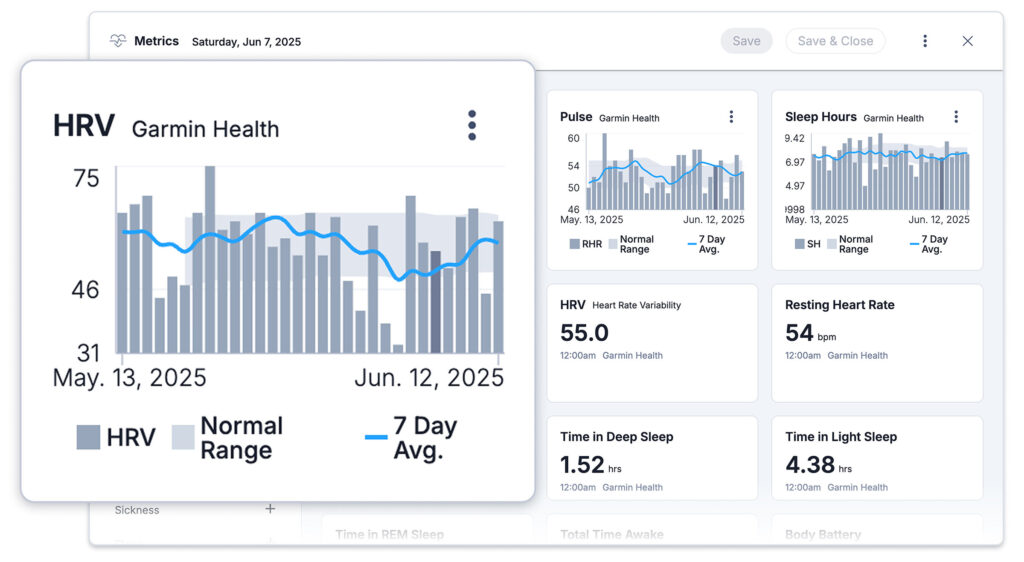
Devices like Garmin, Oura, WHOOP, and other wearables are useful for tracking trends. They can show changes in total sleep time, recovery patterns, HRV, and how travel, stress, or training load may affect sleep. But Edelsten cautions against putting too much weight on sleep-stage data.
Most consumer devices estimate sleep using movement and heart rate data. They are not directly measuring brain activity, which is the most accurate way to identify sleep stages. That doesn’t mean the data is useless, it just means athletes should use it carefully.
A better question is: how do you feel consistently?
If you wake up feeling refreshed, have steady energy, feel motivated to train, and are not struggling with daytime sleepiness, your sleep is probably doing its job. If your watch says you slept poorly but you feel good, don’t let the data create unnecessary anxiety.
Use sleep data as a guide, not a final verdict.
Training Tip → Connect a device (like Oura, WHOOP, Garmin, or many others) to use TrainingPeaks’ Health Insights to monitor sleep analytics, HRV, and resting heart rate trends alongside your training load. Over time, these patterns can help you see whether your body is adapting well, carrying fatigue, or needing more recovery.
Pay Attention to Your Sleeping Patterns, Too
Pay attention to how long it takes you to fall asleep, whether you wake up during the night, how refreshed you feel in the morning, and whether you feel sleepy during the day. Mood is also a useful signal. If you are unusually irritable, short-tempered, or overwhelmed by normal stress, poor sleep may be part of the picture.
You can also track whether you feel motivated to train, whether your energy is stable, and whether you need naps just to get through the day.
The goal is not to create another complicated data set. The goal is to identify patterns. Maybe you sleep well at home but struggle in hotels. Maybe altitude disrupts your sleep for the first few nights. Maybe late caffeine affects you more than you realize.
Once you understand your sleep patterns, you can make better decisions to help you sleep your best.
Sleep Supplements Are Not a Shortcut
Many athletes turn to supplements when they want to sleep better. Magnesium, melatonin, valerian, tart cherry juice, tryptophan, and other options are often marketed as sleep aids.
Some may support sleep in certain situations, but Edelsten makes an important distinction: supplements may help optimize sleep that is already reasonably good, but they are unlikely to fix a real sleep problem.
If you are consistently struggling to fall asleep, waking throughout the night, or feeling exhausted despite spending enough time in bed, a supplement probably isn’t going to solve the problem.
Melatonin Misunderstandings
Melatonin is one of the most misunderstood examples. Edelsten explains that melatonin is not a sleeping pill. It doesn’t simply make you fall asleep. Instead, it helps regulate the timing of sleep, which can make it useful for jet lag or shifting your sleep schedule.
That means timing and dosage matter. Taking more is not necessarily better, and using melatonin like a nightly sedative misses the point.
Before reaching for a supplement, start with the basics: consistent sleep timing, enough opportunity to sleep, a manageable evening routine, and a realistic look at the stressors that may be interfering with rest.
Screens Are a Problem When They Steal Sleep Opportunity
Blue light gets a lot of attention, but Edelsten says the bigger issue with screens is often simpler: they delay the opportunity to sleep.
You tell yourself you will watch one episode, answer one message, or scroll for five minutes. Suddenly, 30 or 45 minutes are gone (aka, doomscrolling). That’s time you could have spent sleeping.
For athletes, especially those traveling for races, phones and tablets aren’t always easy to eliminate. They can be a way to relax, decompress, or stay connected with family. So the solution doesn’t have to be extreme.
Instead, set a clear boundary. Decide when the device goes down and protect that time.
One Bad Night Before a Race Will Not Ruin Everything
Most athletes do not sleep perfectly the night before a big race. Nerves, travel, unfamiliar environments, early alarms, and anticipation can all get in the way.
That is normal.
The important thing to remember is that one poor night of sleep before a race is unlikely to ruin your performance. But believing that it will ruin your performance can create unnecessary anxiety.
Instead of putting all the pressure on the final night, focus on the days and weeks leading into the race. If you are generally well-rested, one imperfect night matters much less.
Lower Cognitive Load Leading Up to the Race
You can also reduce pre-race stress by lowering your cognitive load. Finalize gear decisions early. Avoid unnecessary expo stress. Keep your schedule simple. Limit last-minute logistics. Give yourself fewer decisions to make when your mind is already busy.
The goal is not to force perfect sleep. The goal is to arrive at the start line rested, calm, and confident that one restless night does not undo your preparation.

Ready to put this into action?
Create a free TrainingPeaks account to plan and track your workouts, sync your devices, monitor progress, and keep your all of your training organized in one place.
Sleep Banking Can Help Before Long Events
For ultra-endurance events, sleep banking can be a useful strategy. This means gradually extending sleep before the race so you arrive at the start line better rested. The key word is gradually.
Going to bed an hour earlier the night before a race usually does not work if your body is not used to that schedule. You may spend more time in bed, but that does not mean you will sleep an hour longer.
Instead, Edelsten recommends slowly increasing sleep over several days or weeks, depending on the athlete. For some athletes, that may mean adding 15 to 30 minutes of extra time in bed. For others, especially those starting from a low sleep baseline, it may require a more intentional sleep-extension protocol.
Use Caffeine Strategically
Caffeine can be helpful, but it should be coordinated with your sleep plan.
During the day, athletes may use caffeine for performance. At night, they often use it for alertness. But taking caffeine randomly or continuously can create problems, especially if you are also planning to nap.
Think about how much caffeine you normally consume, how you plan to take it during the race, and when you are most likely to need it. Gels, chews, drinks, gum, tablets, and bars can all deliver caffeine differently.
Timing matters. If you plan to sleep in an hour, taking caffeine right before that may make the nap harder. On the other hand, some athletes use a “caffeine nap,” where they take caffeine immediately before a short sleep so it begins to take effect as they wake up.
The main point is to avoid improvising. Practice your caffeine strategy before race day and understand how your body responds.
Sleep Is Performance!
Sleep is not just something endurance athletes do after training. It is part of what makes training work.
Better sleep can support recovery, adaptation, motivation, mood, decision-making, safety, and race-day execution. For ultra-endurance athletes, sleep can also become a direct performance tool during the race itself.
That does not mean you need perfect sleep. It means you need to understand your patterns, protect your sleep when it matters, and build fatigue management into your race plan. Sleep is more than recovery. It’s performance!


