



Trail running is freedom — freedom from the distractions of city roads and freedom to explore the beauty of nature and a different style of movement. Trails offer the promise of adventure with their variety and challenge. There is nothing like tucking into the woods and getting lost in the thicket. As John Muir said, “And into the forest I go, to lose my mind and find my soul.”
If this sounds like heaven to you, you aren’t alone. Interest and participation in trail running have grown by an average of 12% per year for a decade with an estimated 20 million trail runners worldwide, according to an August 2021 report from the International Trail Running Association.
This guide explains how to transition from road to trail running safely and effectively, including what to expect, how to adjust your training, and which skills matter most when you leave the pavement behind..
The Difference Between Trail and Road Running
Transitioning to trail running doesn’t require starting over, but it does require adjusting how you train, move, and measure progress.
Trail running places different demands on your body, from uneven terrain and elevation changes to pacing by effort rather than speed.
So before you change your training, it helps to understand what actually changes when you move from roads to trails.
Key Differences Road Runners Should Expect on the Trails
- Variable terrain: Rocks, roots, mud, sand, and uneven footing replace smooth pavement.
- Elevation changes: Trails often include sustained climbs and descents.
- Slower pace: Trail pace is naturally slower due to terrain and elevation.
- Higher muscle demand: Stabilizing muscles work harder on uneven ground.
- Greater mental focus: You’ll need to watch your footing and adjust stride constantly.
Because of these factors, transitioning too quickly can increase injury risk if you try to train on trails the same way you train on roads.
Understanding Trail Running Terrain
The most obvious difference as you transition from road to trail is that the ground is different. Trails offer the best dirt therapy around, and you will find differences in terrain based on the type of trail, elevation changes, and surface type. Understanding these differences — and the terms used to describe them — can help you select trails that are appropriate for your ability level.
Types of Trails
Trails range from groomed to technical. Groomed trails are smooth, packed dirt or gravel with few (if any) roots, rocks, or exposure. As trails become more technical, expect more obstacles, like roots, rocks, mud, uneven footing, steeper climbs/descents, and exposed sections.
Trails are also often described by width:
- Singletrack: one-person wide
- Doubletrack: wide enough for two side by side
- Fire/jeep roads: wide dirt roads used for land management and ATVs
Any of these can be groomed or technical—so don’t assume a wider trail is automatically easier.
Elevation Gain
The terms “flat” and “hilly” are often used differently in trail running than in road running. For example, veteran trail runners may refer to a trail as “flat”, but a road runner may consider that same trail as rolling or hilly.
To give you a sense of this difference, Ultrarunner magazine classifies elevation gain as follows:
- Rolling terrain: up to 50 feet per mile (road races might classify this range as hilly to very hilly)
- Hilly: 50-150 feet per mile
- Very hilly: 150-250 feet per mile
- Mountainous: 250+ feet per mile
These ranges can help prepare you for what to expect for races or specific trails.
Surface
Trail surfaces include dirt, grass, gravel, sand, mud, roots, rocks, and, in many cases, a combination of all of the above. Any of these surfaces can be combined with the previous categories, which makes trail running quite a fun adventure. The more varied the surface, the more technical the terrain becomes, necessitating changes in technique and effort.
Trail Running Etiquette
Trail running provides a unique community, filled with fun and friendly people who want to enjoy the adventure of the great outdoors. As such, it is imperative as trail runners that we protect the lands we are so fortunate to run.
Leave No Trace
Protecting the land is accomplished by following the leave no trace principles. Some of the key principles include packing out whatever you take with you, traveling only on durable surfaces, and avoiding areas where you may cause further erosion.
If you need to pass or are passed on singletrack, do not continue to run off-trail. Respect wildlife by leaving them be. Do not feed wildlife or encourage them to engage with you in any way. If we all act as stewards of the trails, we’ll have the privilege to use them forever!
Right of way
Generally speaking, you should yield to horses and uphill runners (when you are going downhill), and, depending on the trail, you may need to yield to mountain bikers. If you need to pass someone, let them know. A simple “on your left” or “is it okay to pass?” will do the trick. Remember to read the signs to know the appropriate etiquette for any given trail. When in doubt, just let the other person pass — good karma is always welcome!
How to Adjust Your Training for Trail Running
Step 1: Shift Your Mindset From Pace to Effort
One of the biggest adjustments for road runners is letting go of pace-based expectations.
On trails:
- Pace varies dramatically based on terrain and elevation
- Uphill running often turns into hiking
- Downhills may be fast but require control, not speed
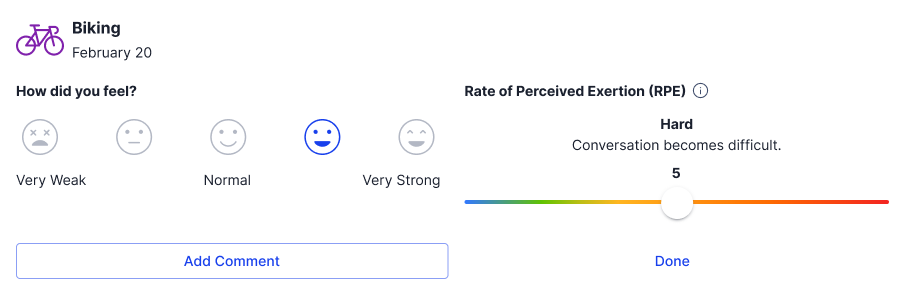
When it comes to trail running, opt for effort-based metrics such as heart rate or RPE (rate of perceived exertion) instead of pace. Focus on running at an easy, moderate, or hard effort rather than trying to hit road paces. This shift reduces frustration and helps prevent overexertion during the transition period.
Training Tip → Record your RPE after each trail run in TrainingPeaks.
Step 2: Gradually Introduce Trail Running Into Your Training
You don’t need to abandon road running to become a trail runner. The safest approach is a gradual mix.
How to Transition Your Weekly Training
- Start with one trail run per week
- Choose short, non-technical trails at first
- Keep the effort easy, especially during the first few weeks
- Maintain road runs for aerobic volume
As your body adapts, you can slowly increase:
- Time spent on trails
- Terrain technicality
- Elevation gain
Try to avoid increasing all three at once.
Step 3: Adjust Your Running Form for Trails
Trail running requires subtle but important changes in technique. A groomed trail likely won’t result in many changes to your run technique, but as you move toward increasingly more technical trails, there may be some changes in stride and approach to hills.
Generally, trail runners have a shorter, quicker stride than road runners, which allows them to hop rocks or skip to get over roots.
Trail Running Form Tips for Road Runners
- Shorten your stride to improve balance
- Increase cadence slightly on technical terrain
- Run tall on climbs to maintain efficiency
- Use controlled steps on descents instead of braking hard
Rather than fighting the terrain, try to stay relaxed and responsive.
Step 4: Build Strength and Stability for Uneven Terrain
Trail running places higher demands on stabilizing muscles, particularly in the ankles, hips, and core.
Strength Areas to Prioritize
- Single-leg strength
- Hip stability
- Ankle mobility
- Core control
Even short strength sessions 2–3 times per week can significantly improve confidence and reduce injury risk during the transition.
Training Tip → Using a platform like TrainingPeaks Strength Builder helps keep you accountable and allows you to keep all of your training in one place. Read through our Ultimate Strength Training Guide to build your own program, or search for a program designed by one of our world-class endurance coaches.

Step 5: Choose the Right Trail Running Shoes
Of the gear you’ll buy, shoes are the most important. If you are planning to run mostly groomed trails, you can very likely get away with your road shoes. But if you will venture onto trails with technical features that make them slippery, rooty, and rocky, consider a trail-specific pair of shoes.
Trail shoes vary from road shoes based on grip/traction, foot protection, and durability. They have two sole features that allow them to have more grip: lugs and a rubber coating to make them more sticky. In some cases, the coating is less durable on pavement, so it is good practice to save your trail shoes for dirt.
Trail shoes also offer additional protection around the toes. Some shoes will also offer rock plates, which protect the bottoms of the feet from roots and rocks that might poke into the soles. Trail shoes have differing levels of water protection as well. Lastly, trail shoes use upper materials that provide greater durability to accommodate for the rougher style of running.
There is no one brand that is superior to all others. Your best trail running shoe is based on the trails you’ll be running, the specific stability or support you need as a runner, the width of your foot, and your desired ramp.
When to Switch to Trail Shoes
- As soon as you regularly run on dirt or uneven terrain
- When traction becomes a limiting factor
- If you experience foot fatigue from unstable footing
Trail shoes typically offer:
- Better grip
- More protection
- Increased stability
Other Gear to Get:
- Hydration vest/pack
- Headlamp
- Poles (for very hilly or mountainous trail)
Step 6: Manage Volume and Recovery Carefully
Trail running is more physically demanding, even at slower speeds. Some training adjustments you might need to consider are:
- Reducing total weekly mileage initially
- Increasing recovery time after trail runs
- Expecting some soreness in calves, ankles, and hips early on
As your durability improves, volume can increase. Patience is critical in the early stages!
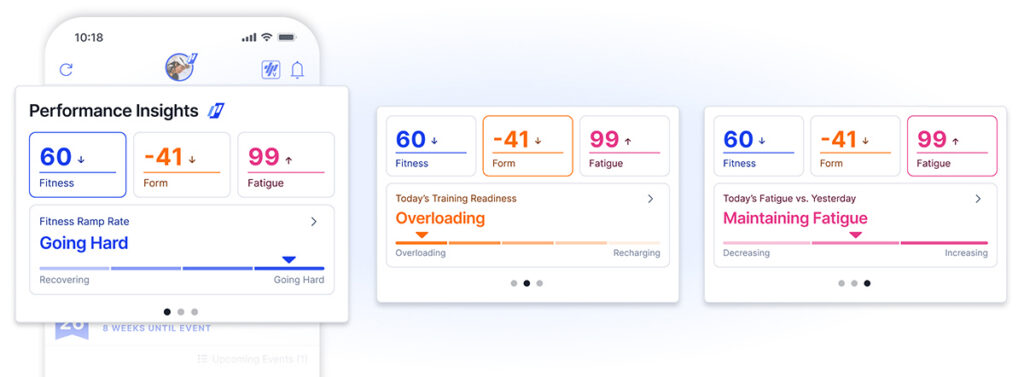
Training Tip → TrainingPeaks’ Performance Insights displays your training data in a way that lets you know if you’re overtraining.
Transitioning from road to trail running is about adapting: shifting from pace to effort, building stability, and easing into new terrain. Start small, stay patient, and respect the trails. With time, you’ll feel more confident, capable, and at home off the pavement!


