



At a race as challenging and unpredictable as a Grand Tour, there’s no one way to succeed.
Over nine days of mountains, time trials, and sprint finishes, riders must repeatedly perform at the highest level while managing fatigue, changing terrain, and the mental demands of racing. Preparing athletes for such a challenge requires more than following a training plan—coaches must decide which signals matter, what those signals mean and when the data calls for action. And the answers differ from team to team.
For CANYON//SRAM, the numbers reveal whether a rider is truly ready. Human Powered Health focuses on how much capacity remains when racing becomes most intense. AG Insurance-Soudal Team seeks to understand the complete athlete, while FDJ-SUEZ turns input from across its performance staff into collective intelligence.
Here is an inside look at how these four WorldTour teams prepare for one of the biggest bike races in the world. Four teams, four different coaching philosophies, but one defining idea: prepare each athlete to be their best when it matters most.
Dan Fleeman, CANYON//SRAM: Readiness Behind the Numbers
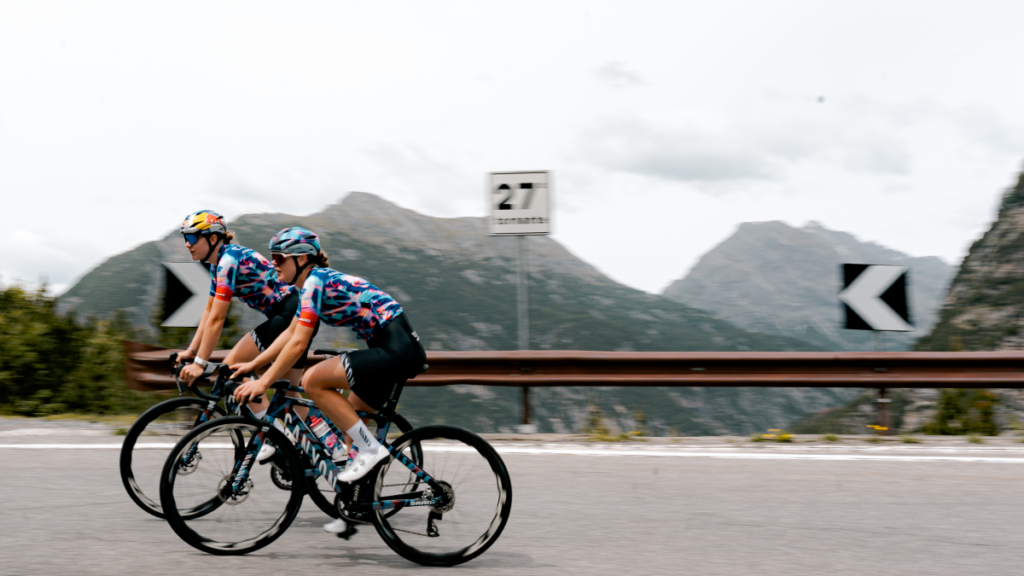
Training data can describe the work an athlete has completed, but its real value lies in what it reveals about what the athlete is prepared to do next.
That distinction is central to Dan Fleeman’s coaching philosophy at CANYON//SRAM. Rather than seeing metrics as isolated numbers, Fleeman views them in terms of readiness.
“I don’t just see numbers. I see readiness.”
— Dan Fleeman, CANYON//SRAM
That mindset is especially valuable during a stage race. A number can look strong on its own, but it might carry a different meaning depending on the rider and the stage. Effective coaching requires context: understanding what the data says about the athlete today and how it may affect her ability to contribute tomorrow.
And this isn’t confined to just pro athletes. One workout is just a page in your book of training, racing and recovering. Look beyond the headline numbers and ask what feedback collectively says about your readiness for the next challenge.
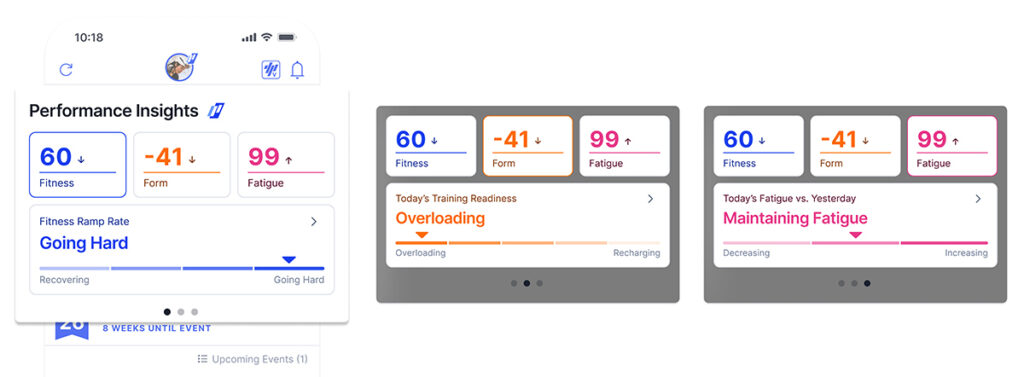
Tip → Apply this method to your own training by using Performance Insights on TrainingPeaks Athlete Home. Instead of looking at one workout, it helps you see the overall trend of your training with Fitness, Form and Fatigue. You can even adjust the time frame to see your fitness trends over 7, 30, 90, or 180 days.
Callum McQueen, Human Powered Health: Knowing What Is Left
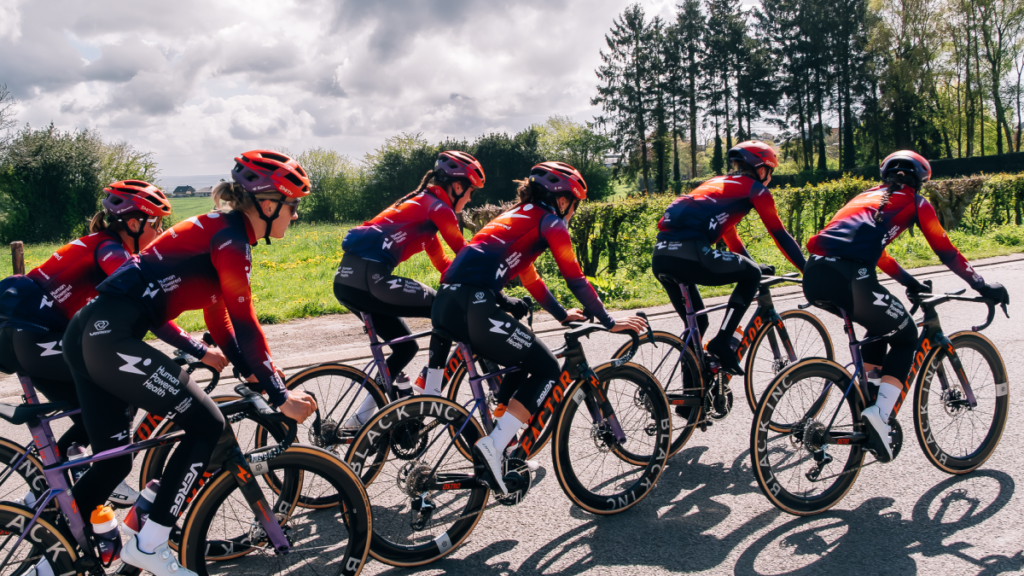
The defining moments of a race don’t happen when athletes are fresh. They come after hours of racing, thousands of kilojoules of work and repeated surges that steadily drain an athlete’s reserves.
That is why Callum McQueen and Human Powered Health emphasize remaining capacity. Using Functional Reserve Capacity (FRC), the team can examine the cost of high-intensity moments and better understand what a rider may still be capable of later in the race.
“When looking at our riders’ FRC, we’re able to pinpoint exact moments of intensive racing and how much the rider had to invest in a particular moment. We know exactly how much the rider has left and understand our capacity to influence the race.”
— Callum McQueen, Human Powered Health
McQueen also looks for consistency, freshness and durability in the team’s Tour preparation. A rider producing the required power once is not enough. They need to be able to produce that power repeatedly after significant work, with subjective feedback reinforcing what appears in the data.
During the Tour, coaches review each stage in TrainingPeaks to see how riders are coping with the accumulated workload. Spotting trends early allows the team to adjust its approach and make informed race decisions before fatigue becomes visible in the result.
For amateur riders, this philosophy reframes performance. What you can do fresh and in training can show you potential, but what you can do when you’re fatigued is what really matters in a race.
Tip → Using Analyze 360 in TrainingPeaks, you can use Dynamic Functional Reserve Capacity (dFRC) to track how your anaerobic reserve depletes and recovers in real time. Learn more about it here: Dynamic FRC: Tracking Anaerobic Capacity in Real Time.
Martijn Kusters, AG Insurance-Soudal Team: Coaching the Complete Athlete
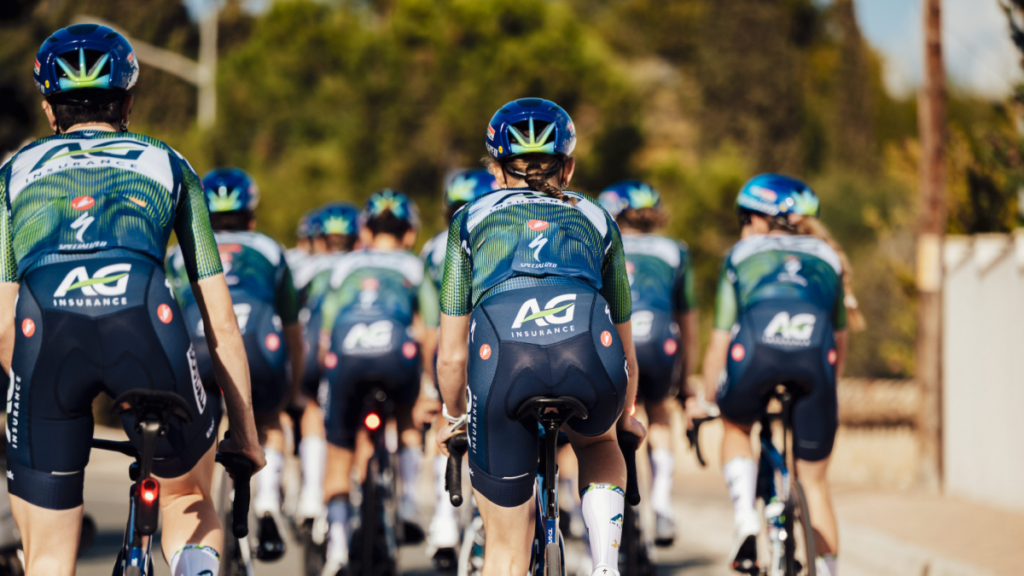
For Martijn Kusters, performance is not understood through training data alone. AG Insurance-Soudal Team combines objective metrics with riders’ perceptions, wellness information and physiological context to understand the complete athlete.
The team uses Analyze 360 to examine heart rate and power alongside metrics such as core and skin temperature. Efficiency Factor helps assess aerobic efficiency during lower-intensity sessions, while power-to-heart-rate drift provides insight into fatigue and adaptation during longer workouts. RPE and rider comments add another essential layer by explaining how the work actually felt.
“The best coaching decisions come from understanding the complete athlete.”
— Martijn Kusters, AG Insurance-Soudal Team
The team also uses female athlete metrics and menstrual-cycle information to help individualize training load, nutrition, heat preparation and cooling strategies. Rather than treating these as secondary considerations, Kusters views them as actionable information that can shape preparation for a key event.
The lesson extends well beyond the WorldTour: Data is much more useful when it helps you understand the person producing it. Numbers, context and communication are strongest when considered together.
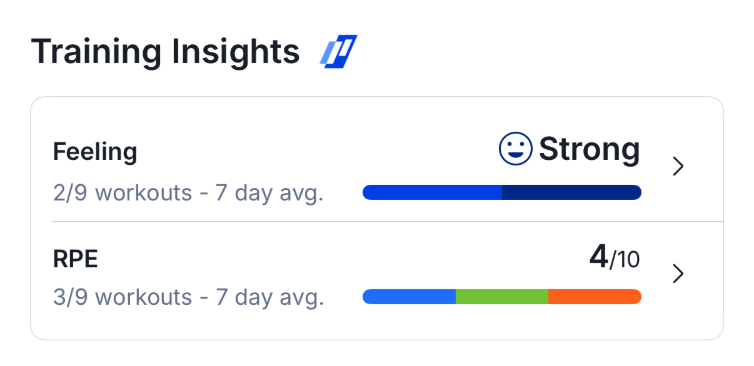
Tip → Using Training Insights on Athlete Home to give context to your training. It tracks your 7-day Feeling and RPE trends, giving you and your coach more understanding into how your handling training.
Lieselot Decroix, FDJ-SUEZ: Collective Intelligence
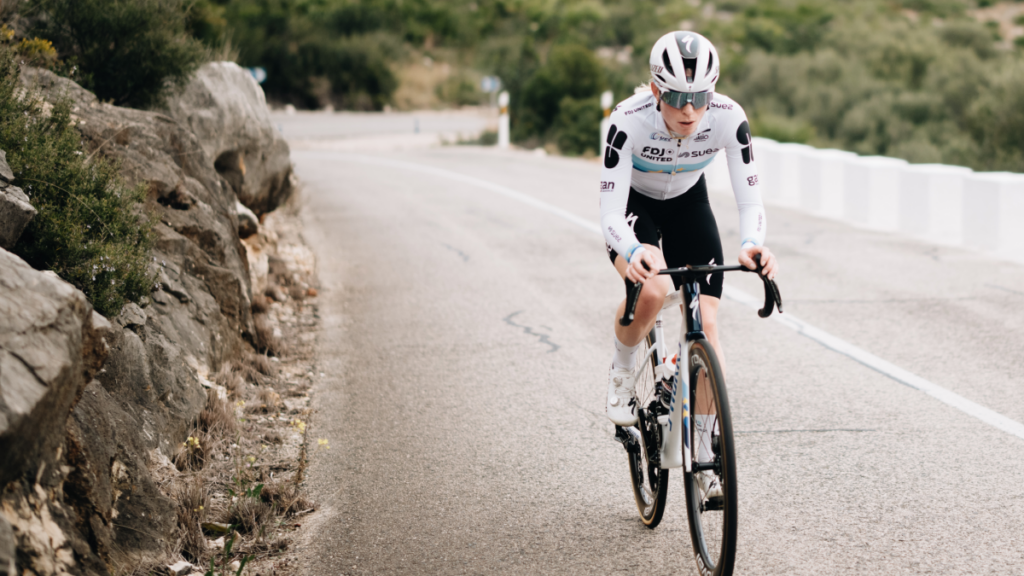
FDJ-SUEZ describes itself as an orchestra: Every rider and staff member has a distinct role, but success depends on everyone working in harmony.
That philosophy shapes how Lieselot Decroix approaches performance. TrainingPeaks serves as a central planning and communication platform where coaches, riders, nutritionists and strength staff can collaborate in one place.
“The best indicator isn’t a single metric. It’s when everything starts to agree.”
— Lieselot Decroix, FDJ-SUEZ
Objective measures such as resting heart rate, HRV, sleep and training execution are evaluated alongside mood, motivation, RPE and rider feedback. The staff also considers efficiency, recovery capacity, interval execution and durability after significant energy expenditure.
This alignment helps FDJ-SUEZ prepare riders not merely to deliver one exceptional effort, but to perform across nine demanding days. Each morning during the Tour, the team can pair the latest metrics with direct conversations to assess recovery and determine the role each rider may be ready to play.
For athletes and coaches at any level, collective intelligence begins with resisting the urge to let any one number make a decision. A metric may raise a question, but the best answers often emerge when performance data, recovery metrics and honest communication agree.
Tip → Did you know you can add more than one coach to your TrainingPeaks account? Adding your strength coach or nutritionist will give them deeper insights into how to individualize your plan. Click here to learn more about connecting a coach to your TrainingPeaks account.
Find YOUR way to greatness
Whether your path centers on readiness, remaining capacity, the complete athlete, or collective intelligence, TrainingPeaks gives athletes and coaches the tools to turn that philosophy into action.
Use your data, feedback, and shared insights to understand where you are, decide what comes next, and prepare for the moments that matter most.
There’s no single way to achieve greatness, but with the right tools, the right coach, and the right plan, you can find the path that gets you there.


