



Professional cycling teams today operate less like traditional teams and more like performance organizations. Behind every rider are multiple specialists contributing to performance: coaches, physiotherapists, nutritionists, doctors, and performance analysts.
Managing all of those moving parts requires more than spreadsheets and text messages. For many teams, the solution is creating a centralized hub where everyone involved in performance can access the same information.
For Stephen Barrett, Head Coach of the DECATHLON CMA CGM WorldTour cycling team, that hub is TrainingPeaks.
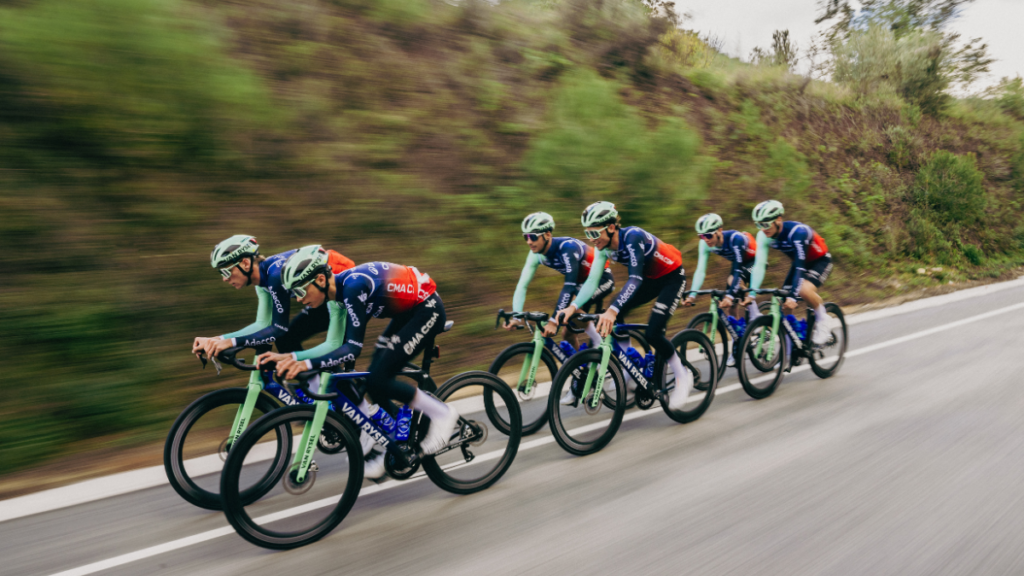
With nearly 50 riders across multiple teams and eight coaches, Barrett and his staff rely on TrainingPeaks to align training plans, monitor athlete data, and coordinate performance support across departments.
Here’s how they structure their system, and what coaches at any level can learn from it.
Turning TrainingPeaks Into a Central Performance Hub
Historically, many teams used TrainingPeaks primarily as a training diary to collect power, heart rate, and GPS data. But Barrett explains that the role of the platform has expanded significantly.
Instead of serving only coaches and athletes, TrainingPeaks now functions as a central performance hub for the entire organization.
Alongside coaches, the team also provides access to nutritionists, medical staff, physiotherapists, and performance and innovation specialists. This allows the entire support staff to work from the same dataset.
For example, staff members may use the TrainingPeaks calendar to schedule:
- Altitude camp blood tests
- Medical screenings
- Nutrition protocols
- Recovery or monitoring periods
Wearable data, including metrics like HRV, sleep quantity, and oxygen saturation (SpO₂), can also be integrated to provide a broader view of athlete readiness.
TrainingPeaks allows everyone contributing to an athlete’s performance to have access to the information they need.
Structuring Coaches and Riders
With multiple teams and development levels, managing athlete workloads across coaches requires a clear structure. In Barrett’s program:
- WorldTour riders: coached by six coaches
- Development riders (Continental team)
- U19 riders
Across all levels, the organization supports roughly 50 athletes. For the WorldTour level specifically, each coach manages six to eight riders.
While some coaching businesses manage far larger athlete rosters, Barrett explains that elite athletes require a much higher level of detail and support.
Eight riders is generally the maximum that allows a coach to provide detailed training analysis, frequent communication, and individualized planning.
As head coach, Barrett personally coaches four riders but also oversees training prescription across the entire organization.
The Coaching Philosophy: Three Core Principles
Despite the complexity of elite sport, Barrett emphasizes that their coaching philosophy remains relatively simple. It revolves around three guiding principles:
1. Collaboration
With multiple coaches working across teams, collaboration is essential.
Coaches regularly share insights through seminars and internal discussions, using TrainingPeaks as a shared reference point for athlete data and training approaches. This allows coaches to learn from each other and develop more effective strategies across the program.
2. Simplicity
Sports science, wearables, and performance metrics can easily make training overly complex. But Barrett believes a coach’s job is to translate complexity into clarity for the athlete.
Athletes should understand what they are doing, why they are doing it, and how it connects to performance goals
The goal is to present it in a way that athletes understand and can execute consistently.
3. Adaptability
Even the best training plan rarely survives an entire season without a few changes. Illness, fatigue, injuries, and changes to the race schedule require adaptations.
Because of this, the coaching staff typically plans training two to four weeks ahead, rarely longer. This allows them to adjust quickly as conditions change while still maintaining long-term performance goals.
Using Historical Data to Individualize Training
One of the biggest advantages of TrainingPeaks at the professional level is the ability to analyze years of historical athlete data.
For some riders, Barrett and his staff can review files dating back more than a decade. This historical perspective allows coaches to identify which training approaches produced the best results, which types of sessions athletes respond to best, and how an athlete’s performance profile has evolved over time
For example, coaches might examine whether a sprinter performs better after a block focused on:
- VO₂max intervals
- Torque-based strength efforts
- High-volume aerobic work
Instead of applying the same methodology to every athlete, this data allows coaches to identify individual response patterns. As Barrett notes, the sport is increasingly moving away from generic programming toward highly individualized training models.
Coaching for Race Demands, Not Just Metrics
While many training discussions focus on metrics like FTP or power improvements, Barrett emphasizes that these numbers aren’t always the most important performance indicators.
Instead, the coaching staff focuses on whether riders can meet the demands of racing. For example:
- A domestique must support teammates in key moments of a race
- A sprinter must deliver peak power at the right moment
- A climber must sustain elite power on decisive climbs
If a rider increases their FTP by 10 watts, that’s a good thing. But the real question is whether they can perform better when it matters most. Training is therefore built around race demands, not simply improving isolated metrics.
Key Takeaways for Coaches
While most coaches don’t work with WorldTour teams, the principles behind Barrett’s system apply at any level:
- Centralize athlete data so all stakeholders can access it
- Keep athlete rosters manageable to maintain quality coaching
- Prioritize simplicity when communicating training plans
- Use historical data to identify what works for each athlete
- Focus training on race or event demands, not just metrics
Ultimately, coaching isn’t about giving athletes workouts. It’s about building systems that help athletes perform at their best. And increasingly, those systems rely on platforms that bring training data, communication, and performance insights together in one place.
Helping Athletes Breakthrough Their Limits
After years of working with elite cyclists, Barrett says the most rewarding part of coaching is still simple: watching athletes achieve something they once believed was impossible, regardless of the level.
Whether it’s a rider winning a stage in the Tour de France, a young athlete entering the top ten of a major race, or even a rider setting a new personal best on a local climb, the moment when an athlete breaks through their perceived limits is the most rewarding part of the profession.
Putting the right systems in place helps them get there.


