



When an athlete transitions into a new sport, it can be one of the best lifestyle decisions they ever make. Switching sports can be extremely healthy, both physically and mentally, and expanding into new disciplines creates a more diverse and often superior athlete. Realistically, one sport can’t fit an athlete for their entire life.
Research across all ages has shown that an athlete who participates in only one sport has increased risk of injury, burnout, and stress. It’s important to encourage and support your athlete’s decision to train for something new, especially if it helps reignite motivation and enjoyment.
Finding the Right Level of Challenge
The athlete’s prior sport experience will carry fitness, strength, and mental skills into their new sport. The amount of experience transferred depends on the degree of overlap between the two sports. It is impossible for a coach to specialize in every sport, so communicating with your athlete and researching best practices should be a priority when developing their training plan.
Another challenge your athlete will face is leaving their previous sport at a higher level to return to a beginner level in their new sport. A high level of skill crossover can make the transition feel easier, but the transition will still be frustrating as they start over again. This frustration can happen even with sports that are drastically different from each other, too.
Athletes expect training to be just as easy as their last sport and may jump the gun by starting out at a more advanced level than they should. Athletes will often skip the basics and create lofty goals, causing frustration that negatively impacts their motivation. Your athlete might perfect high-level skills right away, yet the easiest concepts of the new sport will take them longer than normal to master. Prepare for the unknown by making small, achievable goals for a successful start.
Questions to Answer
You will need to assess what skills your athlete will transition with and what they will need to work on the most. Properly understanding which areas will transfer and what gaps need to be filled will save a significant amount of training time and streamline their progress.
Below are some key questions for you and your athlete to answer that help highlight their strengths and weaknesses, current skill and fitness levels, and past experience applicable to their new sport.
- What kind of training has the athlete completed in the past couple of months? Years? Lifetime? Ask specifically about endurance, intensity, strength, team sport, etc.
- What similarities exist between the two sports? Do the basic skills required for the new sport overlap? If so, what are they and how much?
- What are the major differences between the two sports? What components of their athletic experience may be completely opposite of the new sport? Are there any skills or movement patterns that will be hard to override?
- What key training components does the athlete lack experience in or is missing altogether?
- What kind of intensities did the previous sport use? Ultra-distance, short, explosive, powerful, endurance?
Developing New Skills
It’s important to focus on developing the primary sport skills by breaking them into smaller chunks so that the athlete won’t get discouraged. Focus on developing general capabilities along with the strength development necessary for the sport. Start with simplicity and lead up to more difficult training sessions, even if they believe they are more competent in the beginning than they are. A pyramid is not built with a smaller base than the succeeding layers — and neither is a sport foundation.
When incorporating their previous skills into their new sport, it is important to balance the two by creating a training plan that still includes both activities. Never fully switch to one sport completely and turn the old one off in the process.
For instance, you are coaching a cyclist who wants to start road running. You wouldn’t have that athlete run every day when they start training. Transitioning from their old sport helps the athlete develop by delivering smoother adaptations for the body. Also, initiating the link from prior sports experience allows for previous skills to be integrated and significantly reduces the risk of injury². Always balance the old sport with the new by placing the skills, form, and strength necessary for the new sport as the top priority.
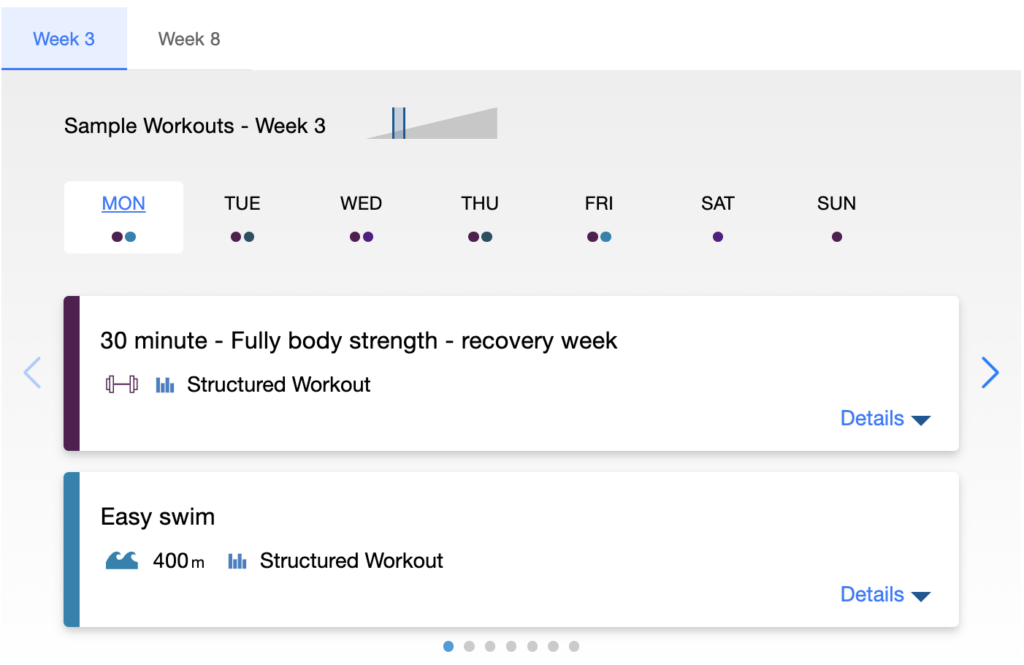
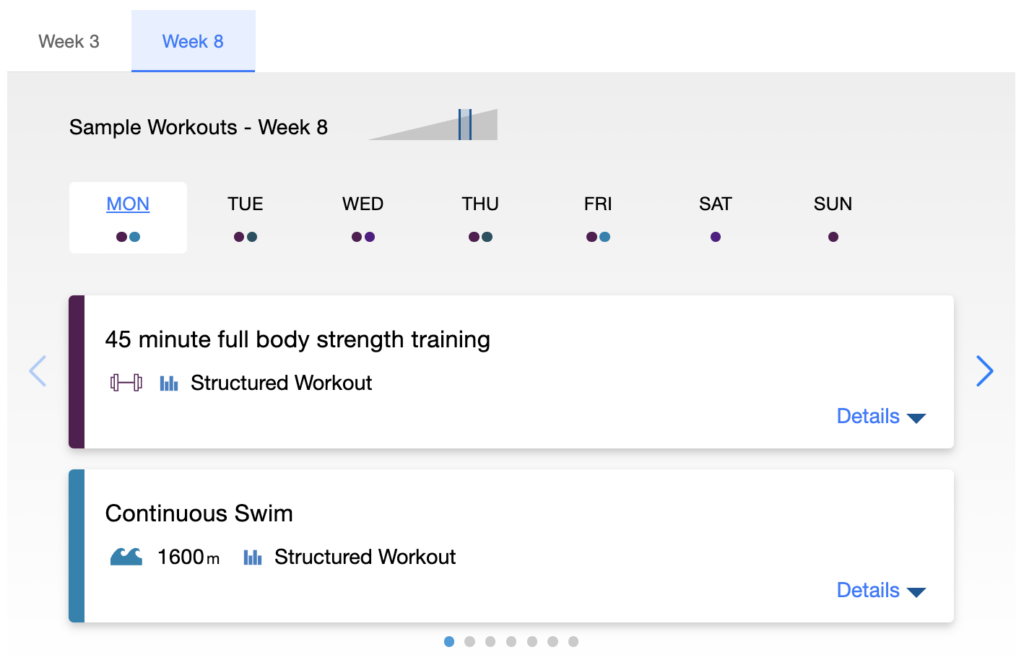
Let’s say we have a triathlete who is switching to ultra-distance running. We want to make sure that the training plan includes swimming and biking opportunities, but those opportunities should be easy and shouldn’t take energy away from training new skills. As the athlete can handle more volume, intensity, and time in their new sport, you can gradually remove their older activities. Of course, you can still allow for cross-training if they desire, as it makes for a more well-rounded, healthy athlete.
It is also important to have your athletes wait to compete until they are truly ready. When they are ready, make sure the athlete is in low-pressure situations at first. It’s easy for an experienced and successful athlete to get discouraged if they do not perform at a high level in their new sport.
Pro Athletes Try Out New Sports, Too
There is a giant list of professional athletes who have switched sports at an incredibly high level. 2016 Olympic Triathlon Gold Medalist Gwen Jorgensen, for example, switched from triathlon to marathon running. Gwen had never run more than 40 miles per week while competing in triathlon, and jumping up to 120 miles was extremely daunting. In order to transition into that kind of mileage, her coach included base cycling and swimming to regain fitness post-pregnancy following her Olympic success.
There are many more professional athletes who have competed in more than one sport, and success can be transferred if done the right way. You need to implement a training plan that properly transfers into their new sport, along with creating a foundation of success instead of frustration. Their initial experience in their new sport can make or break their future within it, so plan accordingly for a successful transition with your athlete.
Examples of Sports Transitions
Soccer to Marathon
A soccer player is used to intense sprint-like intervals for 45 minutes, but running consistently at an easier pace for the same time or just a tad bit longer is challenging. This sport uses some similar energy systems, but one is high-energy and powerful, and the new is efficiency-focused with fat-burning fuel sources vs. carbohydrates. This athlete will need to put in slower, consistent mileage and work on efficiency.
Additionally, this athlete is switching from a group sport to an individual sport and might find it difficult to create their own motivation. Suggesting joining a group they can train with may help.
Triathlete to Ultra Running
Triathletes, in general — even up to IRONMAN — are used to training in the endurance zone and including intervals within their training. Ultra running requires a completely different energy system that is even slower and requires very low effort. This type of athlete will need to adjust to starting out slowly, work on pacing, and use different energy systems to prevent fading throughout their running.
Swimmer to Runner
The most common difficulty is transitioning to proper running form. Swimming requires rotation of the same side of the body (hips and shoulders at the same time) while running uses the opposite arm and leg for forward movement. In turn, the swimmer lacks rotation by not using their upper body.
In general, swimming uses less muscle oxygen than running when compared to the same intensities. That is why we burn fewer calories in the water vs. running. Running will require full system energy and be more taxing for the swimmer.
Cyclist to Runner
Oftentimes, cyclists are extremely fit and have extreme endurance capacities. The biggest challenge for cyclists is not being able to handle the gravity, along with their engine being stronger than their body. This may create frustration, increasing the likelihood of overtraining, injury, and soreness.
References
Allender, S. et al. (2006, July 20). Understanding participation in sport and physical activity among children and adults: a review of qualitative studies. Retrieved from https://academic.oup.com/her/article/21/6/826/608268
Causer, J. & Ford, P.R. (2014, January 11). “Decisions, decisions, decisions”: transfer and specificity of decision-making skill between sports. Retrieved from https://link.springer.com/article/10.1007/s10339-014-0598-0


