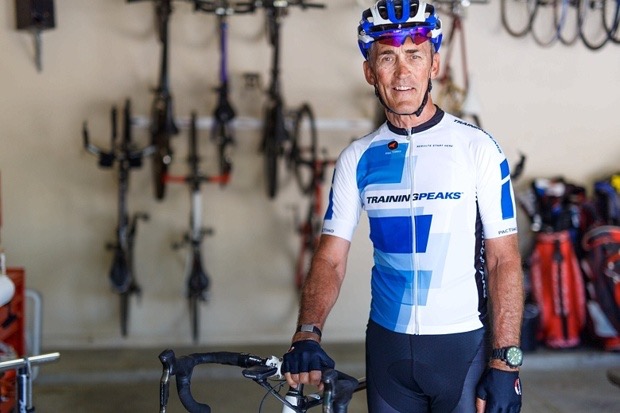
Train smart with a training plan by Joe Friel, best-selling author and internationally recognized endurance coach.
- Plan is intended for a cyclist over age 50 who has been racing for two or more years.
- Plan is for 12 weeks of Base period training, before moving on to a Build-Peak period plan.
- Receive two follow-up emails from Joe with more information on the plan (must provide email address at time of purchase).
- If plan is not working for you within the first 2 weeks, you can switch to a plan of equal value or receive a full refund.
“Joe Friel is arguably the most experienced personal cycling coach in the U.S.” —Bicycling magazine
“Joe Friel is one of the world’s foremost experts on endurance sports.” —Outside magazine
“Your training approach really helped propel my cycling and helped me train and race at my best.” —Mitchell, amateur cyclist
This criterium Base period training plan for the over-50 cyclist was designed by Joe Friel using the principles from
The Cyclist’s Training Bible. Having this book handy will help with many of the workouts presented in the training plan but is not necessary.
Who is this plan for?
This plan is intended for the over-50 cyclist who has been racing for two or more years. The plan uses common cycling language to describe the workouts and is easy to follow. By the end of 12 weeks you will have excellent Base fitness and be ready to start a criterium Build-Peak period plan 12 weeks prior to your A-priority criterium race.
When should you start the plan?
This plan is best started about 24 weeks prior to your first A-priority race of the season. You should be able to train about 8 hours a week. Your heart rate training zones should be set before starting this plan. (For a detailed description of how to set your zones for heart rate, power, or pace,
read this.)
What is the weekly volume?
Over 12 weeks you will gradually increase your weekly volume from about 8 hours to 11 hours, including bike workouts of various types, cross-training in the first few weeks, and 1–2 strength workouts each week. The exceptions are the R&R weeks every third week when volume is significantly reduced for 4–5 days and there is self-testing at the end of the week to measure progress. Besides training hours this plan also forecasts what your Training Stress Score (TSS) will be for each workout. Of course, it’s likely that your workout TSS will be somewhat different when you finish the workout. Besides workout duration, TSS also takes into account what the intensity of your ride was, so it’s a better predictor of performance gains than is workout duration.
Do you need any devices or apps?
You must have a heart rate monitor to follow this plan. All of the workout intensities are based on heart rate or perceived exertion. The plan was created using the TrainingPeaks “Workout Builder” format so that workouts may be uploaded to a device (heart rate monitor, indoor trainer, etc.) or a third-party app to help you follow them precisely. The format also makes it easier to visualize what the workout will be like. (For more information on compatible devices and apps and how to export the workouts,
read this. However, it’s not necessary to upload the workouts in order to use this plan.)
After your event, please provide feedback on how this plan worked for you. Thanks again for your interest in my training plans, and I hope your training and racing go very well this season.

An endurance coach since 1980, Joe Friel has worked with triathletes, cyclists, and runners around the globe. He trains coaches and assists various national federations and national Olympic team staff. He also consults with professional athletes and sports-related businesses. Coach Friel occasionally offers personal camps and seminars for clubs and teams. He has authored 17 books on training including the best-selling Training Bible series. For more info, go to his blog at www.joefrielsblog.com.